



















What is a remediation plan for contaminated ground?

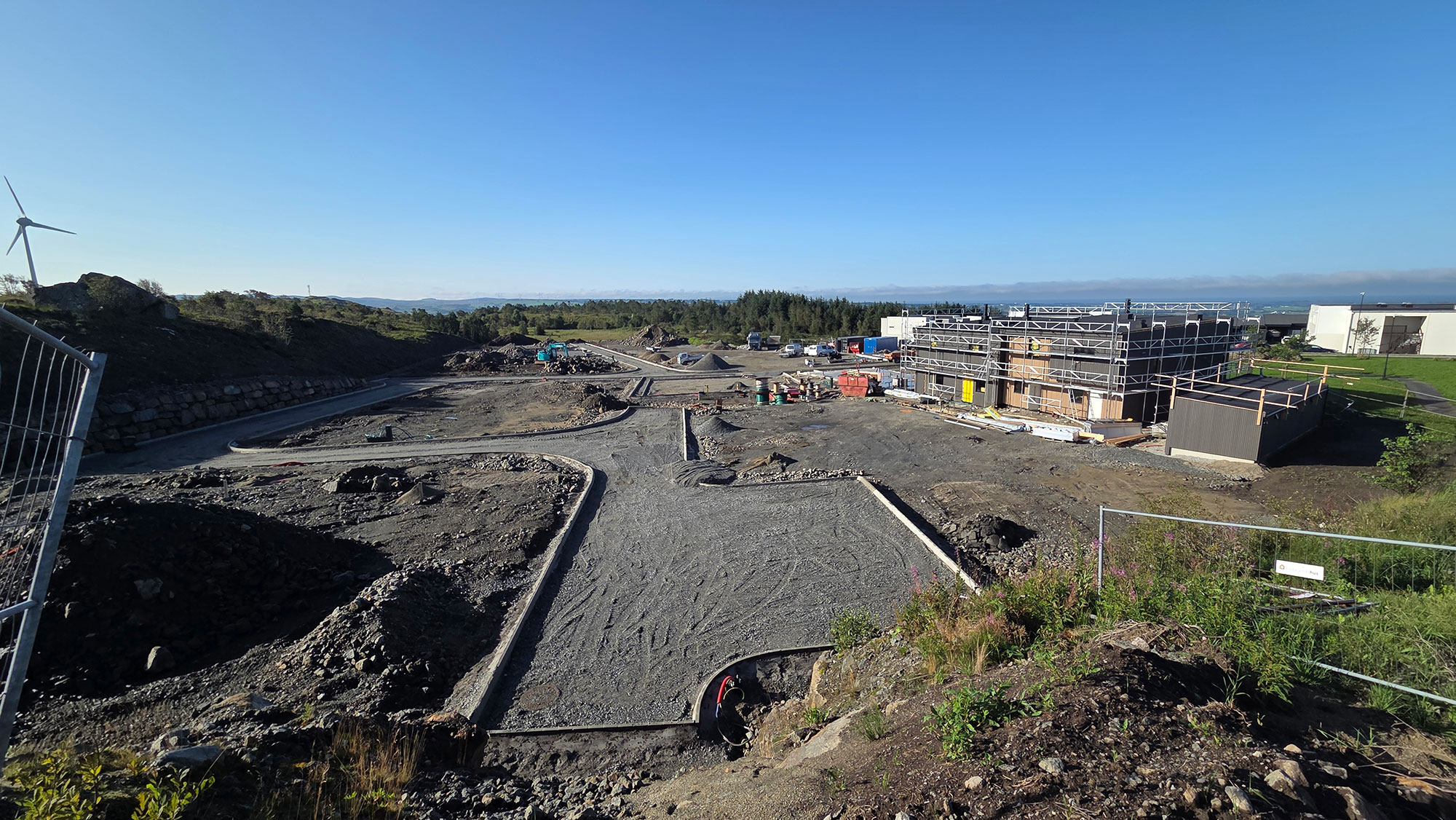
Have environmental surveys revealed contaminated ground where you are going to build or dig? This does not necessarily mean the project has to stop, but before work can start, it normally has to be clarified how the contaminated soil will be handled.
When carrying out groundworks in contaminated ground, a remediation plan must be prepared describing how the work will be carried out in an environmentally sound way. The plan must normally be approved by the municipality before excavation or construction work starts.
But when is a remediation plan required, what should it contain, who can prepare it, and what happens after the municipality has approved the plan?
When is a remediation plan for contaminated ground required?
The requirement for a remediation plan follows from Chapter 2 of the Norwegian Pollution Regulations and applies when groundworks are to be carried out on properties where contaminated ground has been identified.
The remediation plan must normally be approved by the municipality before excavation or construction work starts. Many municipalities require an approved remediation plan before a commencement permit (IG) is granted.
Has the municipality asked for documentation because there may be contamination on the property, but it has not yet been established whether the ground is actually contaminated? Read more in our article «The municipality requires documentation of contaminated ground – can you still build?»
What is the purpose of a remediation plan?
The purpose of the remediation plan is to ensure that contaminated soil is handled in an environmentally sound way.
Among other things, the plan should help to:
- protect people and the environment from exposure to contamination
- ensure correct handling of excavated soil
- prevent contamination from spreading to surrounding areas
- document that the work is carried out in accordance with applicable regulations
The remediation plan is therefore both a management document for the contractor and part of the municipality's basis for assessing and approving the project.
What should a remediation plan contain?
There is no single remediation plan that suits every project. The content and scope must be adapted to the size of the project, the degree of contamination and how the soil is to be handled, among other things.
A remediation plan will normally describe:
- the results of the environmental site investigations
- which soil is contaminated and to what degree
- how the soil is to be excavated and handled
- any temporary storage on the construction site
- transport and delivery to an approved receiving facility
- how clean and contaminated soil will be kept separate
- necessary environmental and safety measures during the work
- how the work will be documented once the measures have been carried out
The remediation plan thus gives the project a concrete basis for how the contaminated soil will be handled during the work.
Who can prepare a remediation plan?
The remediation plan is normally prepared by an environmental consultant with expertise in contaminated ground.
The consultant assesses the analysis results from the environmental site investigations, describes how the soil will be handled and ensures that the plan is designed in line with the requirements of the Pollution Regulations and the municipality's guidelines.
A good remediation plan should not only satisfy the documentation requirements. It should also work as a practical basis for how the contaminated soil is handled once the work starts.
[Facts]
How should contaminated soil be handled?
How contaminated soil can be handled depends on the type of contamination identified, the degree of contamination and the conditions in the individual project, among other things.
The remediation plan describes how the soil is to be excavated and handled, any temporary storage on the construction site, how clean and contaminated soil will be kept separate, and how soil that is to be removed will be transported and delivered to an approved receiving facility.
Planning the soil handling well before excavation starts gives the project a clearer basis for the work and reduces the risk of the handling having to be clarified along the way.
What happens after the remediation plan has been approved?
Once the municipality has approved the remediation plan, excavation and construction work can be carried out in accordance with the plan.
During the work, the environmental consultant can assist if conditions are discovered that differ from what was known in advance, for example if more contamination is found than expected.
After the work has been completed, many municipalities require a final report documenting that the measures have been carried out in accordance with the approved remediation plan.
In other words, the process does not necessarily stop once the remediation plan has been submitted. Follow-up during the work and documentation of what has actually been done can also be an important part of the project.
How long does it take to prepare a remediation plan?
The time required varies from project to project and depends on, among other things:
- the scope of the environmental site investigation
- the laboratory's analysis time
- the size of the project
- the complexity of the soil handling
- the municipality's processing time
The earlier the need for a remediation plan and environmental assistance is clarified, the easier it is to account for the process in the project schedule.
From environmental surveys to remediation plan and final reporting
When contaminated ground is identified, the investigations, the remediation plan and the execution are closely linked. Knowledge of what is in the ground forms the basis for how the soil is to be handled, while documentation during and after the work shows what has actually been done.
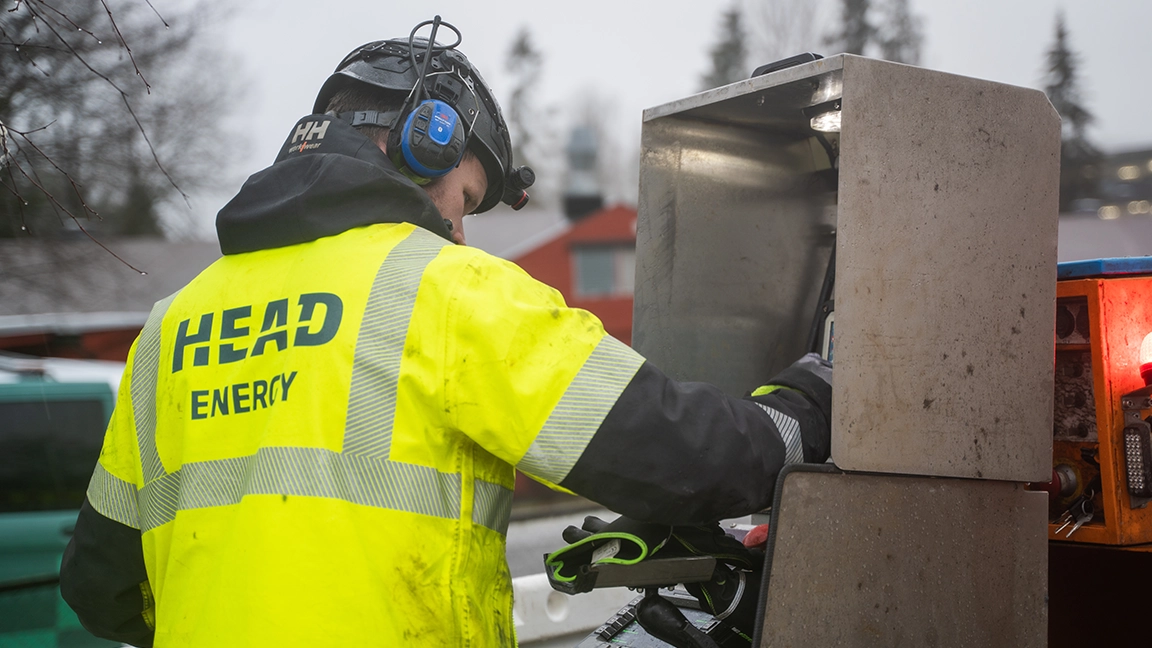
Head Energy Geo carries out environmental surveys with a focus on contaminated ground and can assist throughout the process, from the early phase to final reporting.
Our environmental consultants carry out environmental site investigations and sampling of soil, rock and water. The samples are sent to an accredited laboratory, and a condition report is prepared based on the applicable guidelines.
If contamination is identified, Head Energy Geo can assist with risk assessments, remediation plans and soil management plans, as well as follow-up during construction and final reporting.
How can Head Energy Geo help?
Within environmental surveys and contaminated ground, Head Energy Geo offers, among other things:
- environmental site investigations
- sampling of soil, rock and water
- investigations of contaminated ground, sediment and water
- risk assessments
- remediation plans and soil management plans
- follow-up during construction
- final reporting
Has contaminated ground been identified in your project, or are you unsure what is required before excavation can start? Contact Head Energy Geo for a professional assessment of the need for a remediation plan, soil handling and further environmental assistance.
Frequently asked questions about remediation plans for contaminated ground
What is a remediation plan for contaminated ground?
A remediation plan describes how contaminated soil is to be handled during construction or excavation work. The purpose is to protect people and the environment, prevent contamination from spreading and ensure that the work is carried out in accordance with applicable regulations.
When does a remediation plan have to be prepared?
When groundworks are carried out on a property where contaminated ground has been identified, a remediation plan must be prepared in accordance with Chapter 2 of the Pollution Regulations.
What should a remediation plan contain?
The remediation plan describes the results of the environmental surveys, which soil is contaminated, how the soil is to be excavated, temporarily stored, transported and delivered, and which environmental and safety measures are necessary, among other things.
Who prepares a remediation plan for contaminated ground?
The remediation plan is normally prepared by an environmental consultant with expertise in contaminated ground. The consultant assesses the results of the investigations and describes how the soil will be handled in accordance with the regulations and the municipality's guidelines.
Does the municipality have to approve the remediation plan before work starts?
The remediation plan must normally be approved by the municipality before excavation or construction work starts. Many municipalities also require an approved remediation plan before a commencement permit is granted.
What happens after the remediation plan has been approved?
Once the municipality has approved the remediation plan, excavation and construction work can be carried out in accordance with the plan. If conditions other than expected are discovered during the work, new assessments and adjustments may be needed.
Does a final report have to be submitted after the work?
Many municipalities require a final report documenting that the measures have been carried out in accordance with the approved remediation plan.

Kontakt oss.
Har du spørsmål eller ønsker å vite mer om våre tjenester? Vi vil gjerne høre fra deg!


Newsletters
Get the latest news from Head Energy straight to your inbox.

Mer innsikt.

When do you need geotechnical design, and why should the geotechnical engineer be involved early?